


On April 15, 2026, a seminar was held by the Department of Environmental Protection of the Marshal's Office of the Opole Voivodeship, devoted to the management of degraded areas.
Representatives of the Institute of Environmental Engineering Polish Academy of Sciences attended the seminar, presenting topics related to the implementation of an international project. Interreg PoLaRecCE „New chance for Polluted Lands: Recovery of agricultural soil function by non-food farming and adapted soil management at degraded sites”.
The presenters discussed the general assumptions of the PoLaRecCE project, the forms of soil degradation in the Silesian Voivodeship, the results of surveys in municipalities, and the assumptions of the Soil Monitoring Law (SML).
At the end of the first part of the seminar, the possibility of using the soil magnetometry method was presented (ISO 21226:2019) or the preliminary detection of soil contamination (screening).
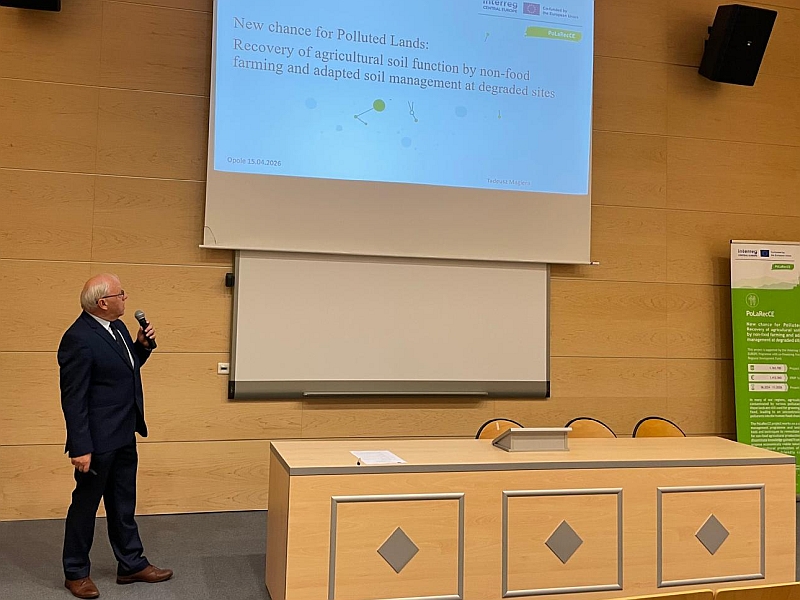
Photo 1. General assumptions of the Interreg PoLaReCE project were presented by Prof. Tadeusz Magiera.
The main tasks discussed in the project included:
- Identifying problems related to degraded agricultural land in Central European regions.
- Analyzing the best available field methods for assessing the soil environment and identifying potentially contaminated sites.
- Examples of practical management of degraded land in pilot plots.
- Methods for developing guidelines for degraded soil management procedures to restore and maintain their productivity.
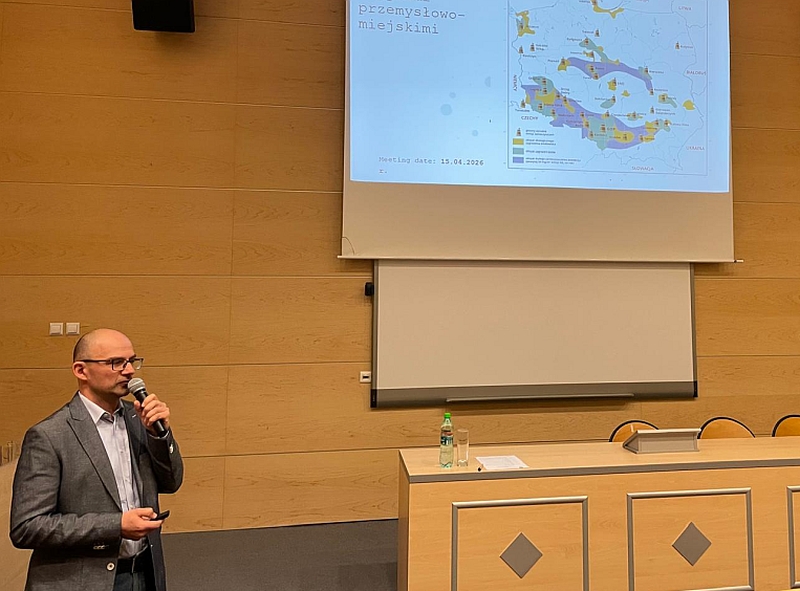
Photo 2. Forms of soil degradation in the Silesian Voivodeship were presented by Ph. D. Adam Łukasik.
The presentation discussed the main causes of land and soil degradation, as well as applicable legal acts related to soil degradation and contamination. Numerous photographs illustrate the most common types of land degradation. Statistics on devastated and degraded land across the country were also presented.
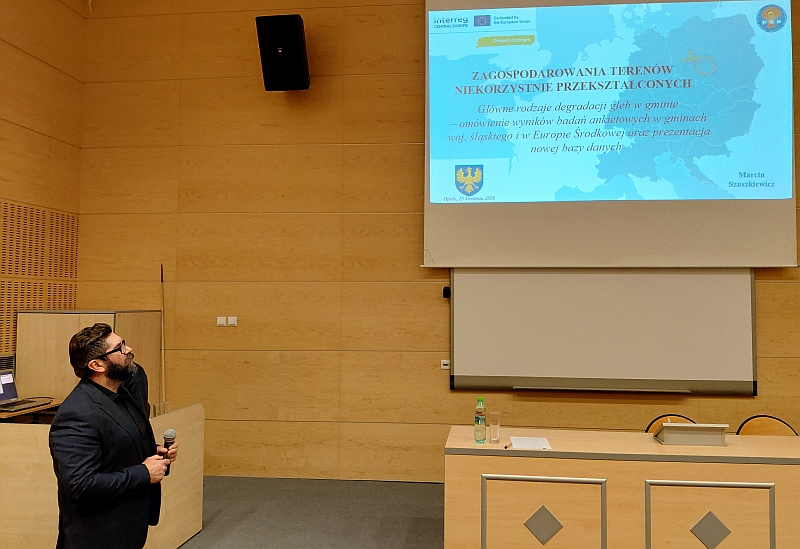
Photo 3. The results of a survey on degraded land in municipalities in the Silesian Voivodeship were presented by Ph. D. Marcin Szuszkiewicz.
The presentation discussed the purpose and assumptions of the survey, the need to create a database on soil degradation in Central Europe, and regional and interregional trends. Finally, the online database operating as part of the ongoing project was presented: https://apfel.gruppofos.com:8443/Polarecce
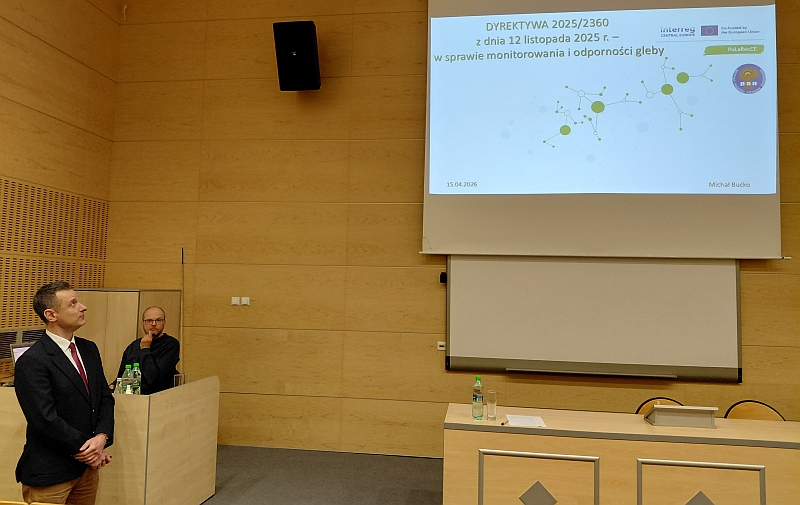
Photo 4. The assumptions of the Soil Monitoring Law (SML)were presented by Ph.D. Michał Bućko.
The presentation discussed the main objectives of the Directive (SML), the manner of implementing the obligations arising from this document, the thematic and territorial scope of the Directive being implemented, and the applicable deadlines for conducting the first measurements, the first assessment of soil health, and introduction and maintaining a register of potentially contaminated and polluted areas in Poland.
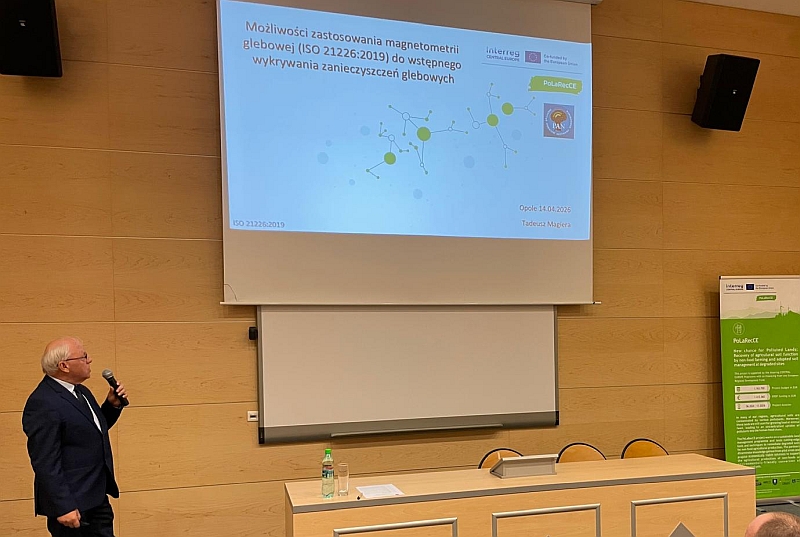
Photo 5. The principles of the soil magnetometry method were presented by Prof. Tadeusz Magiera.
The presentation discussed the possibilities of using soil magnetometry for preliminary contamination detection based on the ISO 21226:2019 standard. The measurement procedure, application examples, field and laboratory work, and the results obtained and their interpretation were presented.

